
 By
By 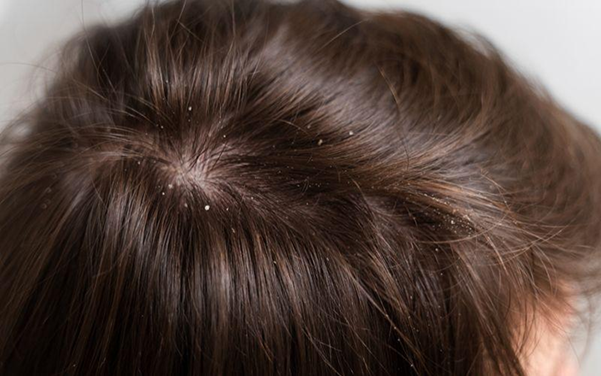
Flakes, itchiness, and irritation can disrupt daily comfort, which leads many people to explore dandruff scalp treatments. These concerns often appear gradually, making it difficult to notice the behaviours that trigger or worsen the condition. The products people choose also play a major role, especially when deciding which shampoo for dry scalp offers real relief. Understanding these everyday habits helps individuals make practical changes that support healthier skin and long-term comfort.
1. Overwashing Strips Essential Moisture
Many people assume washing more frequently reduces flakes, yet overwashing removes protective oils the scalp needs. This dryness creates an environment where irritation quickly worsens. Individuals who wash multiple times a day or select formidable formulas may notice more flakes, not fewer. Choosing a gentle shampoo for dry scalp helps restore balance while preventing further dryness. When combined with dandruff scalp treatments, this routine supports more consistent comfort.
2. Using Strong Styling Products
Gel, hairspray, and wax give structure to hairstyles, but they can build up on the scalp. Over time, this buildup blocks pores and contributes to flaking. Some people notice residue but overlook the connection to their irritation. Careful product selection and more frequent cleansing of styling tools help minimise this issue. Mild formulations also support the effectiveness of dandruff scalp treatments by keeping the scalp less congested.
3. Ignoring Scalp Hydration
Hydration affects more than the skin on the face or body. A dry scalp reacts strongly to weather changes, long work hours, or exposure to air conditioning. Those who ignore hydration signals may experience tightness and visible flakes as a result. A moisturising shampoo for dry scalp helps replenish lost moisture and prevents discomfort. Consistent hydration encourages the scalp to remain soft and resilient, which improves treatment outcomes.
4. Scratching When It Feels Itchy
Scratching offers quick relief, but it worsens the irritation. Repeated scratching damages the skin barrier and increases flaking. Some individuals scratch subconsciously, especially when stressed or focused on tasks. Dandruff scalp treatments help soothe the itch, but avoiding scratching is equally critical. A gentle massage during washing improves circulation without causing harm. This small change prevents further inflammation and supports healing.
5. Wearing Hats For Long Hours
Hats create warmth and humidity around the scalp. When worn for long periods, this environment encourages oil buildup and accelerates flaking. Many people who work outdoors or commute daily do not realise how much this contributes to discomfort. Allowing the scalp to breathe and choosing breathable fabrics reduces irritation. Pairing this with a suitable shampoo for dry scalp helps restore natural balance.
6. Neglecting Regular Exfoliation
Scalp exfoliation removes dead skin and product buildup. Without it, flakes accumulate and interfere with treatment absorption. Some individuals skip exfoliation because they fear it may irritate the scalp. When done gently, however, exfoliation supports the goals of dandruff scalp treatments by clearing pathways for active ingredients. Occasional exfoliation keeps the scalp cleaner and more receptive to nourishment.
7. Delaying Professional Help
People often wait until flakes become severe before seeking proper care. Early intervention prevents discomfort from escalating. When dandruff scalp treatments are introduced sooner, the scalp responds more quickly to support. Using a shampoo for dry scalp during the early stages further prevents dryness from becoming chronic. Seeking guidance ensures the routine suits individual needs and helps individuals avoid ineffective products that prolong the problem.
Additional Insight: Lifestyle Factors Influence Flaking
Lifestyle habits play a significant role in scalp health. Poor sleep, stress, and limited hydration affect skin renewal. Those juggling busy schedules may overlook these factors, yet they directly influence flaking patterns. Small changes such as drinking more water, resting properly, and reducing daily stress support the effects of treatment. These habits create a stronger foundation for long-term scalp comfort.
Conclusion
Dandruff forms from a combination of daily habits, lifestyle choices, and environmental factors. Identifying these triggers allows individuals to make manageable changes that improve scalp comfort over time. When supported with appropriate products, consistent cleaning, and early care, flakes gradually diminish. With steady routines, healthier scalp conditions become much easier to maintain.
For tailored solutions that promote healthier hair and long-term scalp comfort, get in touch with Bee Choo Origin.














Comments