
 By
By 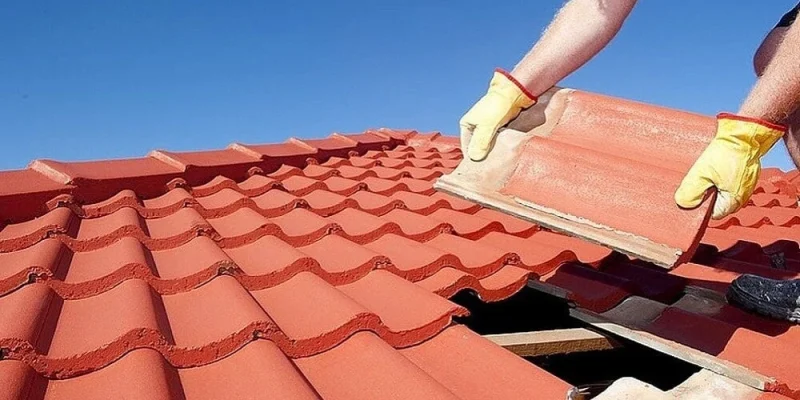
Three winters ago, a homeowner two streets over from me in Uniontown watched a small ceiling stain turn into a full attic leak in about six weeks. The culprit wasn’t the storm everyone remembers from that January. It was the seventeen freeze-thaw cycles that happened after it. I’ve climbed enough ladders in this part of Ohio to know that most roof failures around here aren’t dramatic. They’re slow, and they start with water doing something quiet and patient.
So here’s the short version: if you live in Northeast Ohio, your roof isn’t really fighting rain or snow. It’s fighting the temperature swings between them, sometimes several in the same week. The material you choose, and how it’s installed, determines whether those swings matter in year three or year twenty. A good Uniontown roofing contractor will tell you the same thing before they ever quote you a price, and if they don’t mention freeze-thaw at all, that’s your first red flag.
What follows is what I’ve learned from watching roofs age in this specific climate, plus how each common material actually performs when the thermometer can’t make up its mind.
Why Freeze-Thaw Is the Real Enemy Out Here
Water expands when it freezes. That’s the whole story, and it’s enough to destroy materials that seem perfectly solid. When snow melts on a warm afternoon and refreezes overnight, it pushes into every tiny gap in your shingles, flashing, or sealant. Then it expands and widens that gap. Then it melts, drains deeper, and freezes again. Repeat that cycle dozens of times per winter and you’ve got a slow-motion demolition happening above your head.
According to the National Weather Service, this region regularly swings above and below freezing within a single day through much of winter, which is exactly the pattern that drives the damage. It’s not the total snowfall that matters most. It’s how often the snow melts and refreezes.
I’d take a heavy but steady cold snap over a mild, slushy winter every time. Steady cold keeps everything frozen and stable. The constant thaw is what gets into your ice dam problem, your flashing seams, and your attic ventilation.
Which Materials Actually Hold Up
Every roofing material sold in Ohio is rated for the climate on paper. Real-world performance is a different conversation.
Asphalt Shingles
Still the most common choice around here, and for good reason. Modern architectural shingles handle freeze-thaw reasonably well when they’re installed with proper underlayment and adequate attic ventilation. The failure points aren’t the shingle faces. They’re the edges, the valleys, and any spot where a nail wasn’t set correctly. Those are the places water finds first.
Metal Roofing
Standing seam metal is my pick for anyone planning to stay in their home long term. Metal doesn’t absorb water, so there’s nothing to expand inside it. Snow slides off instead of sitting and melting in place, which cuts down on ice dams significantly. The installation quality matters enormously, though. Poorly fastened panels move with thermal expansion and can work their fasteners loose over years. Done right, you’ll likely never think about the roof again.
Flat and Low-Slope Systems
Flat roofs in this climate need aggressive drainage and a membrane that tolerates standing water. Any ponding on a flat roof is a future leak, full stop. I’ve seen too many flat additions built with drainage that was technically adequate in summer and completely useless once ice blocked the drain.
The Details That Matter More Than the Material
You can spend top dollar on premium shingles and still have a roof that fails early if these three things are wrong.
- Ice and water shield along the eaves, valleys, and any penetration. This is the membrane that actually stops water from backing up under your shingles.
- Attic ventilation balanced between intake at the soffits and exhaust at the ridge. Poor ventilation traps warm air, melts snow from underneath, and creates ice dams at the edges.
- Proper flashing around chimneys, skylights, and vents. Most leaks I’ve seen traced back to a flashing detail, not the field of the roof.
The National Institute of Standards and Technology has studied how moisture and temperature cycling affect building envelope materials, and the takeaway is consistent: water management details outperform material marketing every time. The best shingle on the market loses to a well-flashed budget roof in a freeze-thaw climate.
A Quick Inspection Routine Before Winter
You don’t need to climb anything risky to catch problems early. Grab binoculars and walk your property line.
- Look for shingles that are curling at the edges, cracked, or missing granules. These are the entry points freeze-thaw exploits.
- Check your gutters for granules. A handful after a rain means your shingles are shedding and thinning.
- Look at the flashing around your chimney and any vents. Rust streaks or separated sealant mean water is already getting in.
- Check your attic after a cold night. Frost on the underside of roof decking means warm, moist air is escaping where it shouldn’t.
- Note any ice dams that formed last winter. If they happened once, they’ll happen again unless the underlying ventilation issue gets fixed.
If you spot more than one item on that list, get a professional inspection before the first hard freeze. Repairs done in October cost less than water damage discovered in March. Organizations like the Insurance Institute for Business & Home Safety consistently point to routine maintenance as the single biggest factor in reducing storm-related roof damage claims.
What I’d Actually Do If This Were My Roof
If I were replacing a roof in Uniontown tomorrow and planned to stay put, I’d go standing seam metal with a proper ice and water shield underneath. If metal isn’t in the budget, I’d choose the best architectural shingles I could afford and put the money I saved into ventilation and flashing work, because that’s where the marginal dollar buys the most protection. The material difference between mid-grade and premium shingles is smaller than the difference between good and sloppy installation.
Match the membrane to the climate, not to the catalog’s top shelf. Your roof doesn’t care what the brochure says. It cares whether water has somewhere to go when the temperature drops ten degrees overnight.
What’s the last repair your roof needed, and did anyone ever explain the why behind it? That answer usually tells you more about your roof’s future than any inspection report will.








Comments