
 By
By 
Facial firmness can change without requiring surgical correction. The main difference rests on how treatment reaches facial tissue. Non-invasive care works through controlled energy across the surface. Surgical methods involve incisions and direct tissue adjustment. For someone considering skin tightening, recovery time also matters greatly. Desired changes, personal comfort, and treatment depth shape that choice. Each route follows a different process from start onward.
Non-Invasive Care Leaves Tissue Intact
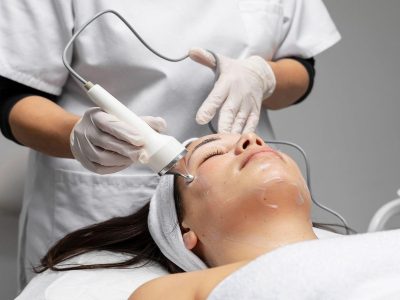
Non-invasive treatment does not require cuts through facial tissue. Instead, controlled energy reaches selected areas beneath the surface. This approach encourages natural collagen activity over time. Since no tissue gets removed, healing needs remain limited. The process can therefore suit people seeking gradual refinement.
- The surface remains largely undisturbed during treatment.
- Energy reaches selected areas without surgical access.
- Normal routines may face fewer interruptions afterward.
- Collagen activity develops through the body’s natural response.
Surgical Methods Create Physical Changes
Surgical procedures take a more direct route toward facial correction. A surgeon can reposition tissue through carefully placed incisions. Excess material may also be removed when needed. Because the structure gets physically altered, recovery requires greater planning. Swelling and bruising can form during the healing stage. Those effects reflect the deeper nature of surgical work.
Controlled Energy Supports Natural Firmness
The process behind skin tightening depends on carefully delivered energy. Heat reaches chosen layers while the outer surface stays protected. That warmth can encourage collagen fibers to reorganize gradually. Over time, this response may support firmer facial contours. The change develops through the body’s own repair process. Results therefore do not depend on removing facial tissue.
Why Does Recovery Feel Different?
Recovery often becomes an important part of treatment planning. Non-invasive sessions may cause temporary redness or mild sensitivity. Those effects can settle as the treated area calms. Surgical correction involves a deeper healing period afterward. Daily schedules may need more adjustment during that stage.
- Non-invasive care can involve shorter recovery periods.
- Surgical healing can require temporary activity limits.
- Facial swelling may last during early recovery.
- Aftercare needs depend upon treatment depth and method.
Different Concerns Need Different Approaches
The right approach depends on the amount of looseness present. Mild changes may suit methods focused on collagen support. More noticeable tissue movement can require direct surgical correction. Facial structure also influences which route makes sense. Personal goals matter because expected changes differ between methods. A consultation helps connect those factors with suitable care.
Treatment Depth Shapes The Final Choice
The difference becomes clearer when treatment depth enters consideration. Non-invasive care stimulates existing tissue without removing structural support. Surgery changes that support through direct physical adjustment. Both approaches therefore serve different needs and expectations.
- Gradual refinement may suit limited facial looseness.
- Greater correction can involve surgical techniques.
- Recovery expectations should match planned treatment depth.
- Individual facial structure remains important during assessment.
A Closer Look At Treatment Choice
A useful distinction appears when recovery meets personal goals. Energy-based care works gradually through existing collagen responses. Surgical correction creates change through direct tissue movement. Neither route follows the same process or recovery pattern. The important question concerns the amount of change desired. That answer can shape treatment planning more clearly than appearance alone.










Comments