
 By
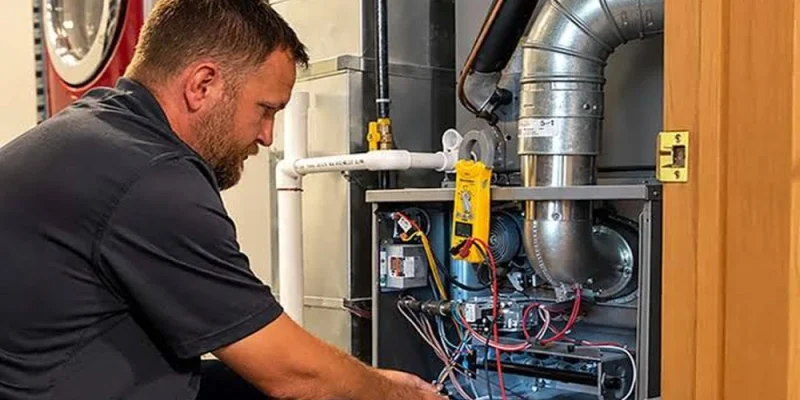
Most homeowners call for a furnace tune-up in the same week, and it’s usually the worst week possible. The first hard freeze hits, group chats light up, and every heating company in the metro area is suddenly booked three weeks out. If you want a technician who has time to actually look at your heat exchanger instead of sprinting through a checklist, the calendar matters more than you’d think.
Here’s the short answer: late September through mid-October is the sweet spot, with August as the quiet, underrated option for anyone who plans ahead. But the right month depends on your furnace’s age, your ductwork, and how you feel about cold mornings. If your system is already making noise or blowing lukewarm air, stop reading the schedule and get it looked at now. People in northern Kentucky and Southwest Ohio who need furnace repair in Cincinnati, OH have the same story: they waited for the first cold snap and joined a queue.
Why the “just before winter” window is a trap
Booking in November feels responsible. It isn’t. By then, every service van in the region is running emergency calls, and routine maintenance gets squeezed between no-heat visits. You want your furnace in a technician’s hands while the calendar is empty, not while someone’s dispatcher is triaging frozen houses.
There’s a mechanical reason too. Furnace problems compound quietly during the summer. Dust piles on the burners, a blower motor’s bearings dry out, and wiring heats up in a sealed cabinet that nobody has opened since March. A fall inspection catches all of it in one visit. The same logic applies to air conditioning, which is why the fair-weather month is always the smart one.
Every service company I’ve watched has the same rhythm: slow in September, frantic by Thanksgiving. The homeowner who books early gets the senior tech, the longer appointment, and the honest conversation.
What “early” actually means for you
It depends on your setup. A gas furnace in a 1960s ranch with original ductwork deserves the earliest slot. A newer high-efficiency unit in a well-sealed newer build can wait until October. If you’ve got a heat pump with an auxiliary furnace, book in September so both modes get tested while it’s still mild enough to run them.
Month-by-month: when to book based on your situation
Use this as a starting point, then adjust. Your local climate and your home’s age should push the date around.
| Your situation | Best booking month | Why |
|---|---|---|
| Furnace 15+ years old | August | Oldest units fail first; get ahead of parts delays |
| New home to you | September | You don’t yet know the system’s history |
| Recent tune-up on record | Late September | Still early enough to catch wear |
| Heat pump with backup furnace | September | Both modes need testing in mild weather |
| Home with allergy concerns | Early October | Pair the visit with a filter and duct check |
My pick: August for anything older than a decade, September for everything else. You’ll either get a clean bill of health or a small fix that costs far less than an emergency call on a 19 degree Sunday.
The First-Cold-Snap Rule
Here’s a framework I’ve started using with friends who own homes. It’s called the First-Cold-Snap Rule, and it works like this: whatever your furnace might do, it will do it on the night the temperature drops 25 degrees faster than anyone expected, usually on a weekend, usually after 8 p.m.
That rule isn’t a superstition. Furnaces sit dormant for months, and the first sustained call for heat is a stress test. Seals contract. Igniters have to fire cold. Blower motors spin up after a long nap. The system has one shot to prove itself, and most failures cluster in that 48-hour window. Book before it and the furnace has a chance to be tested in a calm setting.
If you’ve ever had a furnace die in October, you know the difference between a maintenance visit that catches a cracked igniter and a no-heat call where the technician is working by phone flashlight and quoting next-day parts. Same part. Very different week.
What actually happens during a good tune-up
Not all tune-ups are created equal. Some are 20 minute filter swaps. A real inspection, according to the U.S. Department of Energy, is about combustion efficiency, airflow, and safety, not just changing a filter. Ask what’s included before you book, because the price doesn’t tell you.
A worthwhile visit covers: cleaning and inspecting burners, checking the heat exchanger for cracks, verifying the igniter and flame sensor, testing the blower capacitor, measuring static pressure in the ducts, tightening gas connections, and confirming carbon monoxide levels with a combustion analyzer. If a company can’t tell you exactly what they check, that’s your answer.
Carbon monoxide deserves its own mention. The Environmental Protection Agency has long warned that a poorly maintained combustion appliance is one of the most common indoor sources of the gas, and you can’t smell it. The tune-up is your annual chance to catch it before it’s a problem.
The five checks no one skips
- Heat exchanger inspection, ideally with a camera
- Combustion analysis with a printed or digital reading
- Igniter and flame sensor condition
- Airflow measurement, not just a filter glance
- Carbon monoxide test at each supply register
If your technician skips the camera and the combustion analyzer, you’re paying for a dusting. A full visit takes over an hour. Forty-five minutes with no test equipment is a hint.
Save money by pairing the visit with other checks
Since your HVAC tech is already in the mechanical space, ask about the water heater while they’re there. Gas water heaters and furnaces share venting concerns, and an annual look costs little once the technician is on site. The same visit is a good moment to check that carbon monoxide alarms are working and mounted near sleeping areas. Standards from the Air Conditioning Contractors of America exist precisely because these systems interact, and treating them as isolated equipment is how expensive surprises happen.
The other money-saver is a maintenance contract. It’s not for everyone. But if you own a system over a decade old, a plan that includes two visits a year and priority on emergency calls is often worth more than the thermostat upgrade you’ve been eyeing.
Book it this week, not the week after
The best month to book your furnace tune-up is the one before the rush. August is quiet. September is comfortable. October still works. November means you’re in line with everyone else who waited, and December means you’re paying emergency rates on a system that could have handled it in September.
Set a recurring reminder for August 15, call your preferred company, and put the appointment on the calendar. Then the only thing you’ll be doing on the first cold night is turning up the thermostat.
So, which month did you last book yours? If you can’t remember the year, that’s the answer.











Comments