
 By
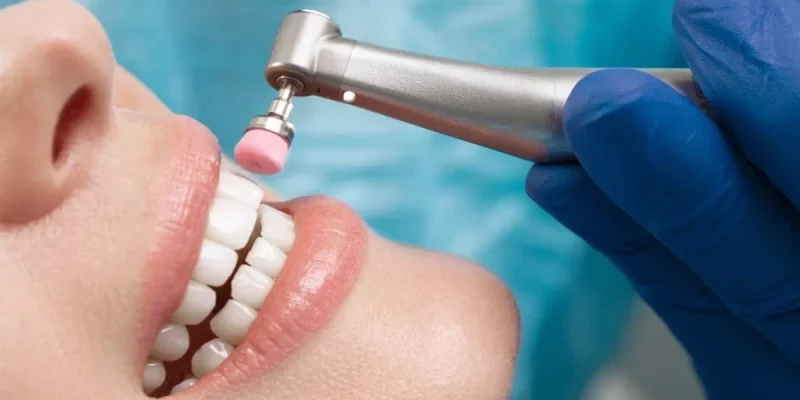
You may put off dental visits longer than you want to, then feel a knot in your stomach when the appointment finally lands on your calendar. That reaction is common, and it is not a character flaw. Fear of pain, bad memories from past treatment, embarrassment about your teeth, and worry about cost can all show up before you even sit in the chair. A general dentist who pays attention to comfort can lower that stress in ways that matter, from the first phone call to the moment you head home, while also helping patients explore solutions for single or multiple missing teeth in Laguna Niguel.
Comfort in dentistry is not only about numbing medicine. It is also about clear communication, a calmer setting, gentler techniques, and a team that notices when you are tense. Research from Tufts points out that dental anxiety is widespread, and many people feel uneasy at the dentist. That means better patient experiences start with understanding what patients carry in with them.
Comfortable dental care starts before treatment begins
A lot of distress builds in the unknown. You wonder how long it will take, whether something will hurt, and whether you will be judged for waiting so long. When a dental office explains what will happen before your visit, confirms costs, and gives you a chance to share concerns in advance, the pressure drops. You are no longer walking into a blank space.
This is one of the clearest ways general dentists improve patient comfort. A short health history review, a plain language explanation of X rays, and a simple outline of the appointment can change the tone of the whole visit. If you know when you can pause, what sensations to expect, and how long numbness may last, your body has less reason to stay on alert.
Clear communication helps patients feel more in control
People usually cope better when they feel they have some control. In dental care, that often means agreeing on a stop signal, hearing each step before it happens, and having choices when choices exist. If a dentist says, “You may feel pressure for about ten seconds,” that lands very differently than silent treatment followed by a surprise sensation.
Control also matters when anxiety spikes fast. You may be fine in the waiting room, then tense up the second the chair leans back. The University of Alabama at Birmingham shares practical tips and techniques for a calmer trip to the dentist, including breathing strategies and speaking up early about fear. A good office makes room for that. They do not rush past it.
Gentle techniques reduce pain and prevent stress from building
Pain is one fear. Anticipated pain is often the bigger one. A dentist who uses topical numbing before injections, checks that anesthesia has fully worked, and moves with care can stop a manageable visit from turning into a bad memory. Small details matter. Slow injections, bite blocks for people who tire easily, and suction that is positioned well can make treatment feel far less overwhelming.
This is where comfortable patient experiences at the dentist become real, not just promised. If you have ever gripped the armrest because nobody noticed you were struggling, you know how quickly trust can disappear. Gentle care protects trust as much as it protects teeth.
A calmer environment supports better general dental visits
The room itself affects how you feel. Harsh noise, long waits, and a rushed front desk can raise tension before treatment starts. On the other hand, a clean, quiet waiting area, respectful staff, and realistic scheduling create a steadier experience. You should not feel like you are being processed.
Even practical comforts help. Neck support, sunglasses for bright lights, music, blankets, and breaks during longer visits sound simple because they are simple. That is the point. General dental care feels more manageable when the office removes avoidable stress instead of asking you to push through it.
Patient comfort in dentistry improves when cost discussions are direct
Financial stress can make physical discomfort feel worse. If you are already worried about paying for treatment, every minute in the chair can feel heavier. Offices that explain fees, insurance limits, and phased treatment plans create a different experience. You can focus on your health instead of bracing for a surprise bill.
That matters for people who need more than a cleaning. If a filling, crown, or gum treatment is recommended, hearing the reason, the timing, and the likely cost in clear language gives you room to make decisions without panic. Respectful dentistry treats your budget as part of your reality, not an awkward side issue.
Small comfort features often make the biggest difference
Not every comfort measure is high tech. Sometimes the most effective changes are the easiest to miss from the outside. A team that checks in often, notices body language, and adjusts pace to the patient can transform a routine appointment. The patient may still feel nervous, but they do not feel trapped with that nervousness.
| Comfort approach | What it looks like in practice | How it helps patients |
|---|---|---|
| Pre visit communication | Explaining the procedure, time, and cost before arrival | Reduces fear of the unknown and lowers anticipatory stress |
| Shared control | Stop signals, treatment pauses, step by step updates | Builds trust and helps patients feel less helpless |
| Gentle pain management | Topical anesthetic, careful injections, confirming numbness | Less pain during treatment and fewer bad memories after |
| Calm setting | Shorter waits, quieter rooms, supportive staff | Lowers baseline tension before treatment begins |
| Physical comfort aids | Neck pillows, blankets, music, sunglasses, bite blocks | Reduces strain and makes longer visits easier to tolerate |
| Direct cost conversations | Clear estimates and phased treatment options | Prevents financial stress from adding to treatment anxiety |
Three steps can make your next dental appointment easier
Tell the office about your anxiety before you arrive. Do it when you book, not after you are already in the chair. Ask whether they offer longer appointments, breaks, or comfort options. Early notice gives the team time to prepare for you instead of reacting on the fly.
Ask for a simple plan in plain language. You need to know what will happen first, what may hurt, how they prevent pain, and what the cost will be. If anything feels vague, ask again. Clear information often lowers fear faster than reassurance alone.
Choose one physical calming technique and use it on purpose. Slow breathing, unclenching your hands, listening to music, or agreeing on a hand signal can keep anxiety from climbing too high. You do not need a perfect mindset. You need a practical tool you can use in the moment.
The best dentists know that comfort is part of the treatment, not an extra. If you have been avoiding care because the whole experience feels too hard, that response makes sense. The right approach can make a routine visit feel far more manageable, and that can be the difference between putting it off again and finally getting the care you need.









Comments