
 By
By 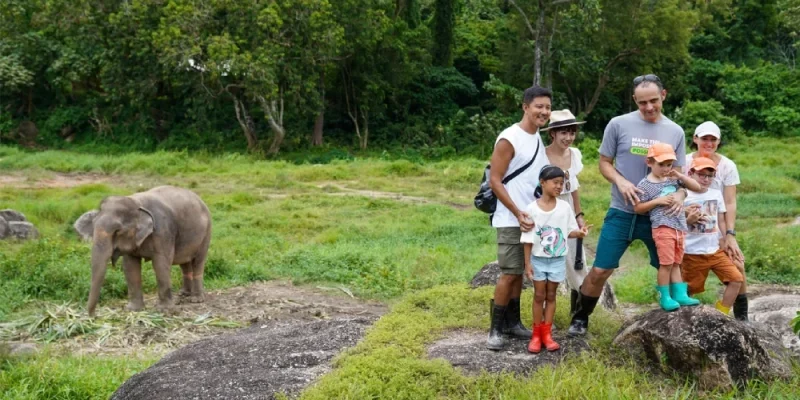
Rescued elephants often arrive after difficult periods that may affect their trust and daily habits. A phangan elephant sanctuary can represent a setting where these animals receive patience and care. A suitable home gives them room to move naturally while letting trained caregivers know their needs. Good surroundings also reduce fear and encourage healthier routines. Thoughtful care focuses on safety, social bonds, proper surroundings, steady observation, and freedom from unnecessary pressure. These factors aid elephants regain confidence while living with greater stability.
Secure Spaces Encourage Natural Daily Movement
A suitable setting gives elephants room to walk, rest, explore, and choose activities according to their natural daily rhythm.
Gentle Care Builds Trust Over Time
Kind handling helps rescued elephants become familiar with caregivers while reducing fear caused by unfamiliar people or surroundings.
Social Groups Support Healthy Elephant Bonds
Elephants often benefit from suitable companions because familiar social contact can encourage confidence, communication, and shared daily activities.
Natural Surroundings Encourage Active Behaviours
Trees, open areas, shade, and varied ground surfaces can encourage movement while giving elephants opportunities to explore naturally.
Clean Areas Help Maintain Daily Wellbeing
Regular cleaning and proper waste management create healthier surroundings while reducing hazards that could affect an elephant’s daily routine.
Quiet Routines Reduce Fear And Stress
Predictable schedules help elephants understand what happens next, making daily activities easier to follow without unnecessary disturbance or pressure.
Phangan elephant sanctuary Shows Responsible Care
A responsible sanctuary model like phangan elephant sanctuary should place animal welfare above visitor demands while providing suitable surroundings, attentive supervision, and respectful daily routines.
- Strong Protection Supports A Better Future
- Safe surroundings reduce avoidable risks.
- Patient care can strengthen confidence.
- Social opportunities support natural behavior.
- Regular observation helps identify concerns early.
- Responsible management protects long-term welfare.
A good sanctuary should provide room, companionship, clean surroundings, steady routines, and patient human support. These elements can help rescued elephants develop confidence without forcing unfamiliar behavior. The right approach also considers individual preferences because every animal responds differently. When protection and freedom work together, elephants can regain natural habits and build stronger social connections. Responsible sanctuaries therefore offer more than shelter. They create dependable surroundings where rescued animals can live with dignity and greater independence.
FAQs
Why do rescued elephants need suitable surroundings?
Suitable surroundings reduce risks while giving elephants room, companionship, and predictable routines that encourage natural behaviour and stronger confidence.
How can caregivers support rescued elephants?
Caregivers can provide safe spaces, patient handling, suitable companions, clean surroundings, regular observation, and consistent daily routines.
What makes a sanctuary responsible?
A responsible sanctuary places animal welfare first, protects natural behaviour, avoids unnecessary pressure, and provides attentive care suited to individual needs.













Comments