
 By
By 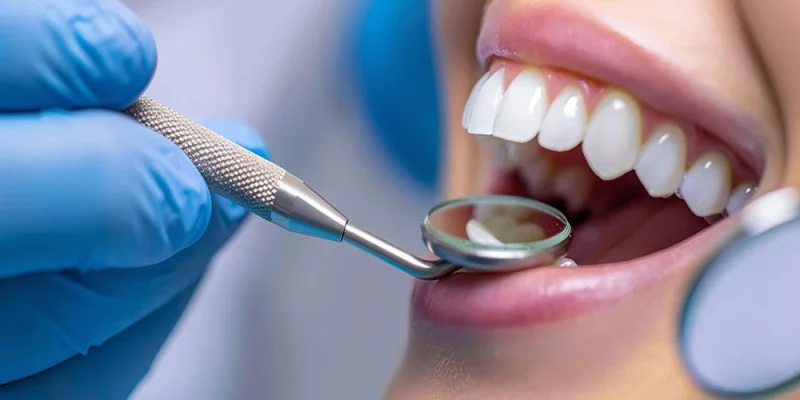
You may have been told your child hurt a baby tooth months ago, and now you are waiting to see whether the adult tooth underneath was affected. That waiting can feel long and uneasy. The injury looked like it was over, your child seemed fine, and then someone mentioned that damage can show up later, after the permanent tooth starts to form or erupt. A trusted pediatric dentist in Montebello, CA can help monitor your child’s dental development and watch for any delayed signs of injury.
That concern is real. Trauma to a baby tooth can sometimes disturb the developing permanent tooth sitting below it. The result might be a white or yellow spot, a groove, a shape change, delayed eruption, or in some cases a tooth that comes in at an odd angle. The short version is simple. A pediatric dentist does not just wait and hope. They track growth, compare changes over time, and step in when the tooth needs help.
Permanent tooth injury after baby tooth trauma can appear long after the accident
A hard fall at age two can still matter when a permanent front tooth starts coming in years later. That is one of the hardest parts for parents. The accident may seem minor in the moment, yet the developing tooth bud is close enough to the roots of the baby teeth that an impact can affect it. Younger children are often at higher risk because the permanent teeth are still forming.
Not every injury causes lasting damage. Many children heal without major problems. Still, monitoring unerupted permanent teeth after trauma matters because the signs are often delayed. A tooth may erupt with discoloration, enamel defects, root changes, or altered position. Research on traumatic dental injuries in primary teeth has shown that developmental changes in permanent successors are a known outcome, especially after intrusion and severe displacement injuries. You can read more in this review of traumatic injuries in primary teeth and their effects on permanent teeth.
This is where a pediatric dentist helps in a very specific way. They connect the past injury to the future tooth. That sounds obvious, but in real life it is easy to miss. If your child chipped or pushed a baby tooth inward at age three, and then a permanent tooth looks unusual at age six, those events may be related.
Pediatric dentists use exams and imaging to track developing adult teeth
A visual exam is the first step, but it is rarely the only step. The dentist checks whether the baby tooth changed color, loosened, moved, or fused to the bone. They watch the gums for swelling, delayed tooth loss, or a bulge where the permanent tooth should be coming in. They also compare one side to the other, because asymmetry often tells a story before pain does.
Dental X rays help show what your child cannot feel yet. The dentist looks at the position of the developing permanent tooth, the root of the injured baby tooth, and whether eruption is on track. If a baby tooth was pushed upward into the gum, that can raise concern for the permanent tooth underneath. The American Academy of Pediatric Dentistry outlines how clinicians assess and follow acute dental trauma in children in its guidance on traumatic dental injury assessment.
Monitoring permanent teeth after a dental injury usually happens over time, not in one visit. A pediatric dentist may recheck your child in a few weeks, then months later, then again around the expected eruption window. If the adult tooth erupts normally, that is reassuring. If it erupts late, looks malformed, or stays trapped under the gums, the dentist can decide whether observation, restorative care, or referral to an orthodontist or oral surgeon makes sense.
Watchful waiting and active treatment each have a place
Parents often want a yes or no answer right away. Is the permanent tooth damaged or not? Sometimes no one can answer that on the day of the injury. That uncertainty is frustrating, especially when your child seems comfortable and you want closure. The better approach is careful follow up based on the type of trauma, your child’s age, and what the X rays show.
| What the pediatric dentist monitors | Why it matters | Possible next step |
|---|---|---|
| Eruption timing | A delayed adult tooth can signal altered development or blockage | Repeat imaging or referral if eruption is significantly late |
| Tooth color and enamel surface | White, yellow, or brown areas can reflect developmental injury | Polishing, bonding, fluoride support, or later cosmetic repair |
| Tooth position | An adult tooth may erupt rotated or displaced after earlier trauma | Observation or orthodontic planning |
| Root and bone development on X rays | Shows whether the tooth is forming and moving normally | Continued monitoring or specialty referral |
| Signs of infection in the baby tooth area | Infection can affect nearby developing structures | Treatment of the baby tooth and closer follow up |
This is one reason a pediatric dentist does more than treat cavities. They track growth patterns, timing, and subtle changes that can affect your child years after an accident.
Three steps you can take right away
1. Write down the injury history. Note your child’s age at the time, which tooth was hit, whether it bled or moved, and what treatment was done. If the permanent tooth later looks unusual, that timeline helps the dentist connect the dots.
2. Keep follow up visits even if your child has no pain. Pain is not the only sign of a problem. A developing adult tooth can be affected without causing symptoms early on. Follow up is often where delayed changes first appear.
3. Watch for eruption changes at home. Look for one front tooth coming in while the matching tooth does not, a new tooth erupting with spots or grooves, or swelling over an area where a tooth should be emerging. Call your dental office if you notice any of those changes.
Careful follow up protects your child’s long term dental health
If your child injured a baby tooth and you are worried about the adult tooth underneath, you are not overreacting. This is exactly the kind of situation that benefits from steady follow up and a clear plan. Many permanent teeth come in with little or no lasting effect, and when changes do happen, early monitoring gives your child the best chance for timely care and a better outcome.
When you need guidance about how pediatric dentists monitor permanent teeth damaged before they erupt, schedule an evaluation with a pediatric dentist and bring any records or photos from the original injury.









Comments