
 By
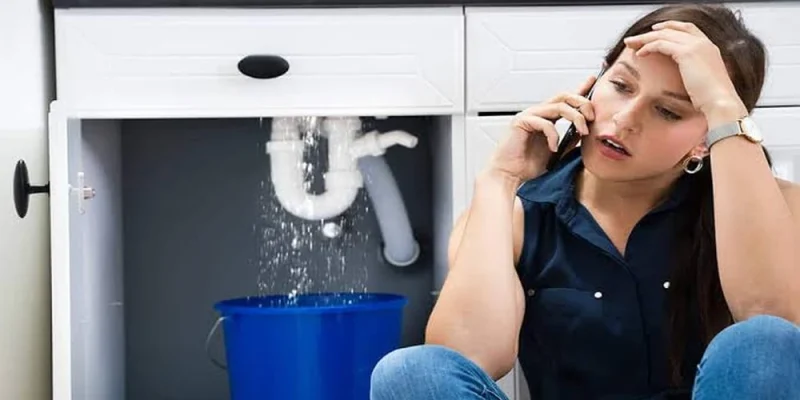
Burst pipes can cause extensive water damage, disrupt daily routines, and lead to unexpected repair expenses. While freezing temperatures are a common cause, excessive water pressure, corrosion, aging plumbing, and hidden blockages can also contribute to pipe failure. Recognizing the warning signs early can help homeowners prevent serious plumbing emergencies.
Knowing when to contact an emergency plumber in Lancaster, PA can make a significant difference in limiting water damage. Unusual plumbing noises, unexplained moisture, and sudden changes in water pressure should never be overlooked, even when the plumbing system appears to be functioning normally.
What Causes Pipes to Burst?
Understanding why pipes burst can help homeowners identify potential risks before they develop into serious problems. Several factors can weaken plumbing materials, increase internal pressure, and affect the overall condition of water supply lines.
Freezing Temperatures
When temperatures drop below freezing, water inside exposed pipes can freeze and expand. Ice formation can create a blockage, causing pressure to build between the frozen section and a closed faucet. Eventually, this pressure may cause the pipe to rupture.
Pipes located in unheated basements, garages, crawl spaces, and exterior walls are especially vulnerable. Insufficient insulation and exposure to cold drafts increase the likelihood of freezing.
Excessive Water Pressure
Residential plumbing systems are built to operate within specific pressure limits. Excessively high water pressure places unnecessary strain on pipes, fittings, valves, and connections.
Over time, this continuous stress can weaken plumbing components. A faulty pressure regulator or sudden pressure changes may increase the risk of leaks and pipe failure.
Corrosion and Aging Pipes
Older metal pipes can gradually deteriorate due to corrosion, mineral buildup, and prolonged exposure to water. As corrosion progresses, pipe walls may become thinner and more vulnerable to cracks.
Homeowners with older plumbing systems should arrange periodic inspections to determine whether deteriorating sections require repairs or replacement.
Movement and Poor Installation
Ground movement, shifting foundations, and inadequate pipe supports can place additional stress on plumbing connections. Improper installation may also leave pipes vulnerable to movement, vibration, and premature deterioration.
Even relatively new plumbing systems can develop problems when connections are poorly fitted or materials are unsuitable for operating conditions.
Early Warning Signs of a Potential Pipe Burst
Plumbing problems often develop gradually. Paying attention to changes in water flow, pipe condition, and indoor moisture levels can help identify hidden issues.
Sudden Changes in Water Pressure
An unexpected reduction in water pressure may indicate a hidden leak, partial freezing, or an obstruction within the water supply system. Unusually high pressure may suggest a problem with the pressure regulator.
If pressure changes affect several fixtures simultaneously, a professional inspection may be necessary.
Unusual Plumbing Noises
Banging, knocking, and vibrating sounds should not be dismissed. These noises may result from sudden changes in water flow, loose pipe supports, or excessive pressure.
Repeated pressure surges, commonly known as water hammer, can place additional strain on plumbing connections and contribute to long-term damage.
Discolored Water and Unexplained Moisture
Brown or reddish water may indicate corrosion within metal pipes, although problems with the public water supply can also cause discoloration.
Damp walls, peeling paint, ceiling stains, and unexplained puddles may suggest hidden plumbing leaks. Addressing these symptoms promptly can help limit structural damage and moisture-related problems.
When Does a Plumbing Problem Become an Emergency?
Not every plumbing issue requires immediate emergency assistance. However, rapidly spreading moisture, sudden water loss, active flooding, and visible pipe damage demand prompt attention.
Contacting an emergency plumber in Lancaster, PA becomes especially important when water continues escaping, the affected pipe cannot be isolated, or the source of a significant leak remains hidden.
Homeowners should also take suspected frozen pipes seriously. A frozen pipe may already have developed cracks that become apparent only when the ice begins to melt and water flow resumes.
What to Do Immediately When a Pipe Bursts
Taking appropriate action during a plumbing emergency can help reduce property damage and protect household occupants. The following steps are particularly important:
- Shut off the main water supply: Locate and close the main shutoff valve to stop additional water from entering the damaged pipe.
- Release remaining pressure: Open faucets to allow residual water to drain from the plumbing system.
- Avoid electrical hazards: Stay away from electrical outlets, appliances, and wiring exposed to water.
- Protect household belongings: Move furniture, valuables, and personal items away from affected areas when it is safe.
- Document visible damage: Take photographs of damaged pipes and affected areas for potential insurance claims.
- Arrange professional assistance: Have the damaged plumbing inspected before restoring the water supply.
Avoid attempting permanent repairs without identifying the underlying cause of the failure.
How to Prevent Pipes From Bursting
Preventive maintenance can reduce the likelihood of plumbing emergencies. Insulating exposed pipes, sealing cold air leaks, and maintaining adequate indoor heating during winter can help protect vulnerable water lines.
Monitoring household water pressure is equally important. A plumber can assess whether the pressure regulator functions correctly and whether additional pressure control measures are necessary.
Homeowners should disconnect outdoor hoses before freezing weather and winterize exterior faucets where appropriate. Regularly inspecting accessible pipes for corrosion, moisture, and damaged fittings can also reveal developing problems.
Knowing the location of the main water shutoff valve allows household members to respond quickly during emergencies.
Should Damaged Pipes Be Repaired or Replaced?
The appropriate solution depends on the pipe’s age, material, overall condition, and extent of damage. An isolated crack in otherwise sound plumbing may require only a localized repair.
However, widespread corrosion, recurring leaks, and deteriorating connections may indicate that partial or whole-home repiping deserves consideration. Repeated repairs can become impractical when surrounding pipe sections are also approaching failure.
A professional assessment can help homeowners compare repair and replacement options based on existing plumbing conditions, installation requirements, long-term reliability, and anticipated maintenance needs.
Why Early Plumbing Inspections Matter
Hidden water leaks can remain undetected behind walls, beneath floors, and within ceilings. Left unresolved, these problems may damage building materials, encourage mold growth, and increase water consumption.
Professional leak detection and plumbing inspections can help identify damaged connections, deteriorating pipes, and abnormal pressure conditions. Addressing these concerns early allows homeowners to plan necessary repairs before more extensive damage occurs.
The Bottom Line
Pipes can burst for several reasons, including freezing temperatures, excessive water pressure, corrosion, structural movement, and aging plumbing materials. Recognizing early warning signs and maintaining vulnerable plumbing components can help prevent unexpected failures and costly property damage.
When serious leaks, sudden pressure changes, or suspected pipe damage occur, seeking assistance from an emergency plumber in Lancaster, PA may help prevent further complications. Prioritize regular plumbing inspections, protect exposed pipes during winter, and ensure everyone in the household knows how to shut off the main water supply.








Comments