
 By
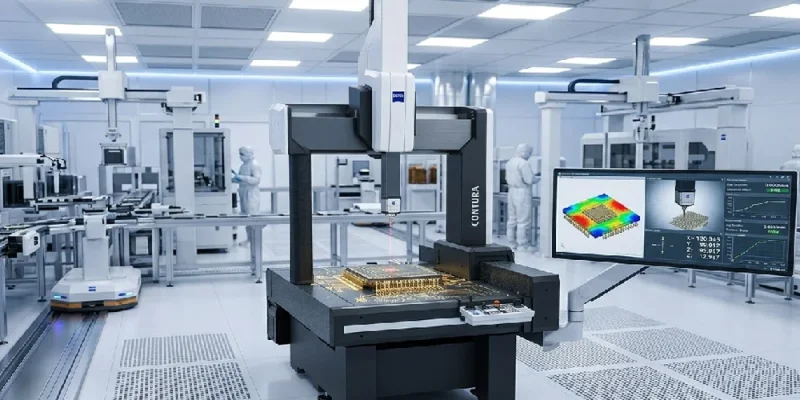
Electronic components need careful inspection before they reach the assembly stage. A microscope helps workers examine delicate parts that are difficult to assess with ordinary eyesight. Even a small flaw can affect electrical performance or cause problems during assembly. Clear viewing gives inspectors a better understanding of component condition. Manufacturers can use these checks to maintain consistent production standards. With clear magnification, a microscope for electronics inspection helps identify defects before they affect finished products.
Detecting Small Component Defects
A circuit board may look perfect during a routine visual check. Closer examination can reveal uneven solder joints or damaged contact points. These small details matter because they influence electrical connections.
A microscope provides a closer view of delicate areas without requiring excessive handling. Inspectors can examine individual connections before components move to the next production stage. Early identification also gives workers time to address visible defects.
Common inspection points include:
- Examine solder joints for uneven surfaces or incomplete connections.
- Check circuit boards for scratches near contact points.
- Review connector alignment before components enter final assembly.
- Inspect delicate edges for cracks or surface damage.
- Record inspection findings to support consistent quality decisions.
Improving Visual Inspection Accuracy
Clear images help inspectors make reliable decisions during production. Suitable magnification reveals fine details without requiring repeated examination. Adjustable lighting can also improve visibility across different surface finishes.
The right viewing arrangement makes routine checks easier. Workers can compare component details against approved specifications. Consistent inspection conditions help reduce differences between individual assessments.
Supporting Steady Production Checks
Production teams often examine large batches of electronic parts. Repeated checks can slow manufacturing when image quality is poor. Suitable viewing equipment helps workers assess components without unnecessary delays.
A microscope for electronics inspection supports quicker decisions during routine quality checks. Clear images help inspectors recognise visible concerns before parts move forward. This allows production to continue while maintaining careful examination.
Maintaining Consistent Quality Standards
Quality checks work best when every batch follows the same procedure. Inspectors need clear standards for examining connections and surface details. Consistent methods make comparisons between production batches more reliable.
Inspection records can reveal recurring issues. When similar defects occur across several batches, manufacturers can review assembly settings. These findings help teams identify areas that may require adjustment.
Selecting Suitable Inspection Equipment
Equipment selection depends on component size and the level of detail required. Magnification should reveal fine features without making routine viewing difficult. Stable positioning also helps inspectors maintain a clear image during close examination.
Manufacturers can consider these points before selecting equipment:
- Match magnification with the smallest components requiring inspection.
- Choose clear imaging for examining fine circuit details.
- Select stable stands to keep components securely positioned.
- Review lighting options for different surface finishes.
- Check compatibility with existing quality control procedures.
Building Reliable Inspection Practices
Reliable quality control begins with suitable equipment and well-planned routines. Manufacturers can improve inspection results by combining clear viewing methods with accurate records. Regular equipment checks help maintain dependable image quality.
FAQ
How does magnification help electronics quality control during production?
Magnification reveals tiny defects that ordinary visual checks may miss.
Which electronic components require detailed visual inspection during assembly?
Circuit boards and delicate connectors often require careful visual examination.
Can clear imaging improve consistency across different manufacturing batches?
Clear images help inspectors apply the same quality standards consistently.







Comments