
 By
By 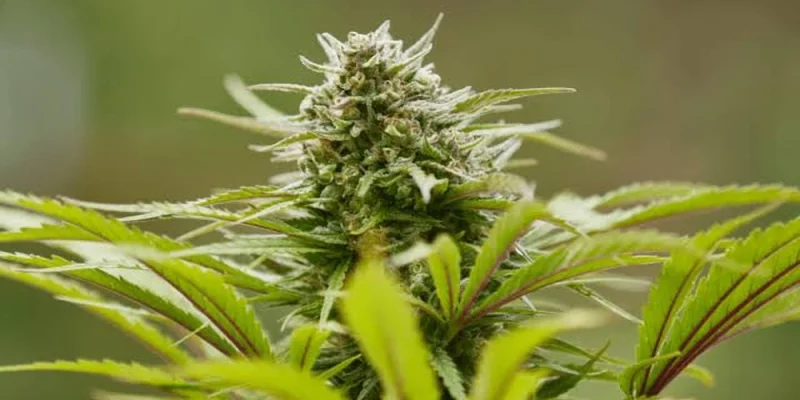
What quality details reveal?
Quality in THCA hemp is not a single characteristic but a combination of details that say something specific about how a crop was grown, handled, and prepared. Most buyers focus on potency figures alone, which is a starting point but not a complete picture. best thca flower reveals itself across observable and verifiable markers that certificate numbers alone do not capture. Eight specific details separate production discipline from surface-level presentation.
- Trichome density across surfaces
Trichome coverage on bract surfaces and sugar leaves reflects how well cannabinoid accumulation was supported during flowering. Even coating across the exterior indicates consistent environmental conditions throughout the grow. Patchy or tip-only coverage suggests stress that interrupted full development before harvest occurred.
- Stem snap response
Clean snap under pressure means moisture sits in the right range after curing is completed fully. A bending stem points to curing that was cut short before moisture reached an acceptable level. Crumbling with resin dust falling away indicates over-drying, stripped preservation capacity, before packaging seals the product.
- Aroma depth on opening
Flat or grassy scent on cured material signals terpene loss between harvest and packaging. A sharp, layered profile that shifts as material warms in hand reflects retained complexity from a well-managed post-harvest process where temperature and oxygen exposure stayed controlled throughout.
- Trichome clarity under magnification
Cloudy trichomes indicate peak accumulation at harvest. Clear ones mean cutting came too early, before the ceiling was reached. Amber’s signal conversion had already begun pulling the profile in another direction before cutting occurred, reducing what the finished product carries.
- Moisture feels on handling.
Proper moisture produces slight resistance when squeezed, firm without crumbling, soft enough to show give. Rigid material lost moisture past the point where terpene preservation remained possible. Spongy product carries humidity levels that favour mould development during storage and transit.
- Certificate batch specificity
A certificate attached to a specific batch number reflects what was in that production run rather than an average across multiple harvests. A potency figure from eight months prior describes a product that has drifted from stated numbers depending on storage conditions maintained since testing occurred.
- Lab independence from the producer
Certificates from labs carrying no commercial relationship to the producer hold more weight than affiliated testing. Independent verification removes conflicts that skew results toward seller interest. Buyers cross-referencing the lab name against known independent testing facilities get a clearer picture of whether figures reflect actual production output.
- Harvest date vs testing date gap
A wide gap between harvest date and certificate testing date raises questions about when the accumulation peaked relative to when testing captured it. Narrow gaps between these two dates indicate testing occurred closer to actual production conditions, giving stated figures more relevance to the current product state.
No single marker delivers a complete quality picture alone. Every variable in the production chain is addressed separately. Reading them together against thca flower sourced through traceable, verified production narrows the gap between label figures and what actually reaches a buyer at the point of use.








Comments