
 By
By 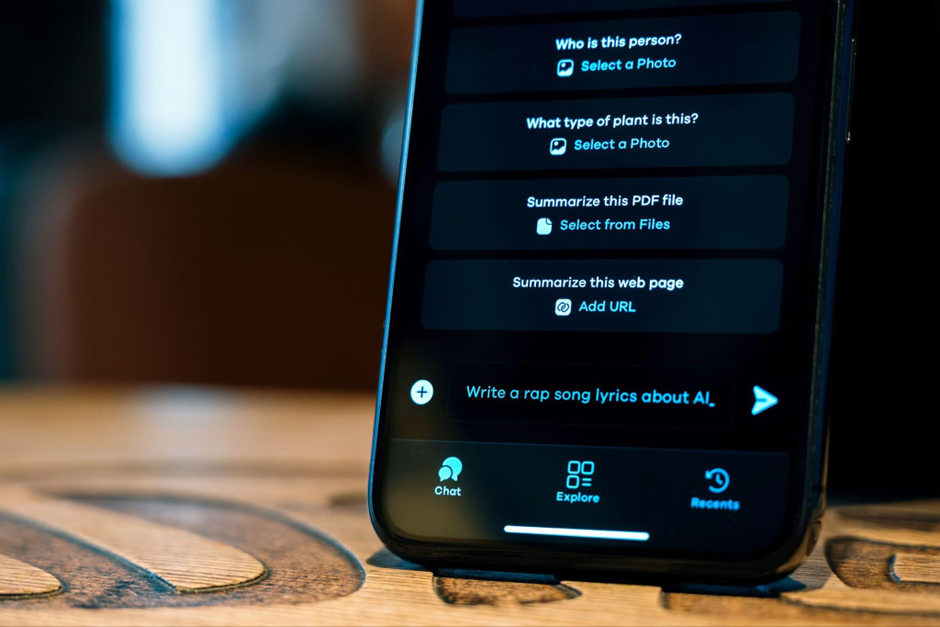
Choosing between broad AI courses and specialised ChatGPT training in the city-state can be confusing for professionals who simply want practical skills they can apply immediately at work. Both options promise relevance in a rapidly digitalising economy, but they focus on different outcomes. Understanding these differences helps learners avoid wasting time on training that does not match their goals.
1. Scope of Learning
General AI courses usually cover a broad spectrum of topics, including machine learning foundations, data pipelines, neural networks, predictive modelling, and basic automation concepts. These programmes are structured to give participants a high-level view of how AI systems work and how different models are deployed across industries. While this broad exposure is functional, it can overwhelm learners who only need applied skills for workplace productivity.
In contrast, specialised ChatGPT training focuses narrowly on generative AI, prompt engineering, and real-world usage of conversational AI platforms. Instead of teaching the inner workings of complex algorithms, the training looks at how to craft prompts, build workflows, automate tasks, and use AI tools to support communication, content creation, research, and customer interactions. The scope is cleaner and more practical, making it suitable for professionals who prefer immediate utility over theoretical depth.
2. Skill Outcomes
Professionals who sign up for general AI courses often walk away with strong conceptual understanding but limited confidence in applying AI tools independently. These programmes help learners understand why algorithms behave in certain ways, how datasets influence accuracy, and what factors affect model performance. However, the gap between theory and hands-on application can feel wide, especially for those without technical backgrounds.
Meanwhile, specialised ChatGPT training is designed with end-users in mind. Participants learn how to build structured prompts, refine AI-generated outputs, automate repetitive tasks, and integrate ChatGPT into their daily workflows. The focus is on skill acquisition that immediately translates to improved productivity. Whether someone works in HR, sales, marketing, finance, or operations, the learning is tailored to the tasks they perform daily. This instance creates a stronger link between training time and actual performance improvement.
3. Target Audience
General AI courses are typically targeted at individuals working in data-driven roles or those planning to transition into technical careers. These learners usually expect more time spent on theories, case studies, and discussions about model architecture. The training suits participants who intend to build or manage AI systems in the long term.
On the other hand, ChatGPT training in Singapore appeals to a much broader audience, including professionals with limited exposure to technology. Since the learning curve is gentler, the classes attract executives, administrators, educators, freelancers, and small-business owners who simply want to become more efficient and productive. The training removes technical barriers and focuses on what matters most: using AI confidently without needing a deep technical background.
4. Course Duration
General AI courses often run longer because they cover more topics and require deeper learning. Participants may need weeks or even months to complete the full programme, especially if assessments or capstone projects are involved. The longer duration suits those who want a comprehensive understanding but may feel slow for those who prefer immediate results.
Specialised ChatGPT training is usually shorter, structured as practical workshops or short modules that fit easily into busy schedules. Learners can acquire new skills in hours rather than weeks. This format appeals to working professionals who value fast, targeted learning without extended academic commitments.
Conclusion
General AI courses and specialised ChatGPT training both offer value, but they serve different purposes. Professionals seeking deep conceptual knowledge benefit more from broad AI programmes, while those who want fast, practical skills gain more from focused ChatGPT workshops. Understanding these differences helps learners choose a path that aligns with their goals and ensures that the time invested in training leads to meaningful results.
Visit OOm Institute to build practical AI skills that actually improve your day-to-day work.











Comments