
 By
You may be looking in the mirror and seeing more than a missing tooth. You see the way your smile has shifted, the space that draws your eye, the way you cover your mouth when you laugh, and the slow worry that one dental problem could turn into several. That stress is real. A gap in your smile is not only cosmetic. It can change how you bite, how you speak, and how confident you feel in rooms that used to feel easy. If you are exploring restorative dentistry in La Jolla, you are likely looking for a way to restore both function and confidence.
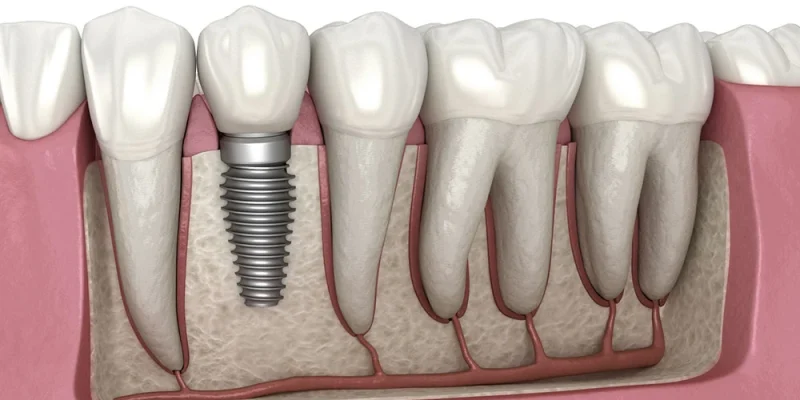
That is why implants often sit at the center of a long term smile plan. Many cosmetic treatments improve the look of teeth, but dental implants replace structure. They act like an artificial tooth root placed in the jaw, giving crowns, bridges, or dentures something stable to attach to. When the base is solid, the cosmetic work around it tends to look better, feel better, and last longer. For many people, cosmetic dental implants are not an extra feature. They are the support system that makes the rest possible.
Dental implants support both appearance and function
A tooth does more than fill a space. It helps keep nearby teeth in line, supports your bite, and stimulates the jawbone. Once a tooth is lost, the bone in that area can start to shrink over time. The result can be subtle at first. Teeth may begin to drift. Your bite may feel off. A removable option may start to feel loose. The cosmetic issue you wanted to fix becomes a structural issue too.
Implants address that deeper problem. Because they are anchored in bone, they help preserve the shape of the jaw in a way that traditional tooth supported bridges and removable dentures do not fully match. That matters for looks. Facial support affects how your smile frames the rest of your face. It also matters for comfort. A restoration that does not move around usually feels more natural in daily life.
This is one reason an implant and cosmetic dentist often recommends implants before veneers, bridges, or full smile redesign work. If the foundation is unstable, cosmetic dentistry can only do so much. A beautiful crown still needs a secure base. A balanced smile still depends on bone and bite support.
Research from the National Institute of Dental and Craniofacial Research reflects how much dental materials and restorative planning have advanced. You can review this NIDCR report on dental materials for a broader look at the science behind modern restorations.
Missing teeth often create a chain reaction that cosmetic treatment alone cannot fix
You might want the fastest path to a better smile. That makes sense. If you have an event coming up or you are tired of feeling self conscious, it is tempting to focus on what shows first. The hard part is that a missing tooth changes forces across your whole mouth. Pressure shifts to nearby teeth. Opposing teeth may move. Gum contours can change. A simple cosmetic fix may hide the gap without correcting what caused the smile to look uneven in the first place.
Picture someone who lost a back tooth years ago and now wants whitening and bonding on the front teeth. The front teeth can absolutely be improved, but if the back bite is unstable, the front work may wear faster or chip more easily. In another case, a person may want a bridge because it seems simpler, but that may require reshaping healthy neighboring teeth. An implant can often replace the missing tooth without relying on those adjacent teeth for support.
The broader public health picture supports early, thoughtful care. This oral health in America report shows how oral health affects daily function, quality of life, and long term health patterns. Your smile is not separate from the rest of your life. It affects eating, speech, comfort, and self image all at once.
Dental implants often provide the strongest base for cosmetic restorations
Implants are not the right fit for every single person, and they do require planning, healing time, and enough bone support. Still, they often become the preferred anchor for single tooth replacement, implant supported bridges, and full arch cosmetic reconstruction because they combine stability with a natural appearance. The restoration attached to the implant can be shaped and shaded to match your surrounding teeth, while the implant itself supports function below the gumline.
For a clear overview of implant placement, healing, and restoration stages, this NCBI implant dentistry resource explains the clinical process in plain medical terms.
Comparing implants with other common cosmetic tooth replacement options
| Option | Appearance | Support for Jawbone | Effect on Nearby Teeth | Daily Stability |
|---|---|---|---|---|
| Dental Implant with Crown | Very natural when well matched | Yes, helps maintain bone in the area | Usually leaves adjacent teeth untouched | Fixed in place, does not come out |
| Traditional Bridge | Natural looking above the gumline | No direct bone stimulation at the missing tooth site | Often requires shaping neighboring teeth | Fixed in place |
| Removable Partial Denture | Can restore the look of a full smile | Limited bone support | May place pressure on other teeth or gums | Less stable, removed for cleaning |
For many people seeking smile restoration with implants, the appeal is simple. You are not only replacing what others see. You are replacing what your mouth needs to function with less compromise.
Three smart steps to take before starting cosmetic dental treatment
Get a full foundation first. Ask for an exam that looks at bone levels, gum health, bite alignment, and the condition of nearby teeth. Cosmetic plans work better when the hidden issues are found early.
Think in phases, not quick fixes. If implants are part of your plan, you may need extraction, grafting, healing, placement, and final restoration in stages. That timeline can feel slower, but it often leads to stronger results and fewer revisions later.
Compare long term value, not only upfront cost. A cheaper option may seem easier today, yet future repairs, remakes, or damage to surrounding teeth can raise the total cost over time. Ask what each treatment is likely to require five or ten years from now.
A strong smile starts with a stable base
If you have been weighing your options, the main point is this. Cosmetic results tend to hold up better when the missing structure is replaced, not just covered. That is why implants are the foundation of many cosmetic dental treatments. They support the smile you see and the function you feel every day. When you are ready, speak with an implant and cosmetic dentist about a plan that restores your smile from the ground up.






Comments