
 By
By 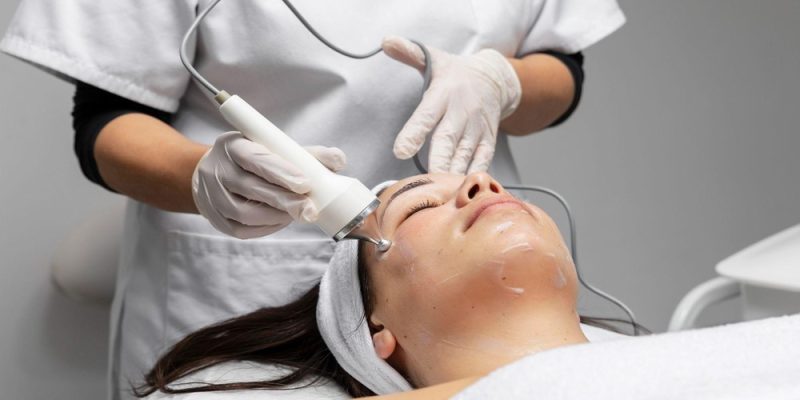
Key Takeaways
- At-home care works on surface layers while clinical treatments target deeper skin structure.
- Medical aesthetics uses stronger formulations and devices for faster visible results.
- Professional guidance reduces risks and improves treatment precision over time.
Introduction
Choosing the right wide pores treatment often begins with deciding between at-home routines and medical aesthetics procedures—such as a Pico Laser Treatment—especially when results do not match expectations over time. Many people start with cleansers, toners, and serums, only to notice that visible changes take longer than anticipated. This creates a point where routine care feels insufficient, yet professional treatment may seem like a larger commitment. Understanding how these two approaches differ helps clarify what each option can realistically achieve and how they fit into long-term skin management without relying on trial and error.
1. Depth of Skin Interaction
At-home products usually work on the surface layer of the skin, where they cleanse, exfoliate, and refine texture. While this improves overall appearance, it does not significantly alter the underlying structure that affects pore size. Medical aesthetics treatments reach deeper layers, where collagen support and oil production influence how pores appear. By targeting these areas, professional procedures address factors that surface-level products cannot fully reach. This difference explains why some routines seem effective at first but eventually stop delivering noticeable improvements.
2. Strength and Formulation of Ingredients
Over-the-counter products contain active ingredients in concentrations designed for regular use, which limits how deeply they can affect the skin. This approach supports gradual improvement but requires consistent application over extended periods. In contrast, clinical treatments use higher concentrations under controlled conditions, allowing for more noticeable changes in fewer sessions. The difference in formulation explains why some routines plateau while professional treatments continue to show progress. It also highlights the importance of balancing effectiveness with safety when choosing between the two approaches.
3. Use of Advanced Treatment Technology
At-home devices offer basic functions, yet they cannot replicate the precision or intensity of clinical equipment. Medical aesthetics treatments, including advanced procedures like Pico Laser Treatment, use specialised devices that target oil glands and stimulate collagen production more effectively. These tools operate at controlled depths and intensities, which allows practitioners to focus on specific concerns without affecting surrounding areas. The technology involved contributes to more defined and measurable results. This level of precision becomes especially relevant when dealing with areas that require consistent and controlled treatment over time.
4. Timeline of Visible Results
Daily routines require patience because changes develop gradually as the skin responds to repeated use. This process suits maintenance but may not address more persistent concerns within a short timeframe. Professional treatments, such as Pico Laser Treatment, produce more immediate refinement because they work at a deeper level and use stronger interventions. While results still improve over time, the initial changes often appear sooner, which helps maintain consistency in follow-up care. This difference in timing influences how individuals plan their routines and decide when to transition to professional support.
5. Level of Personalisation and Risk Control
At-home routines rely on general guidelines, which may not account for individual skin sensitivity or specific concerns. This can lead to overuse or incorrect combinations that affect skin balance. In a clinical setting, practitioners assess skin condition before recommending treatment, which allows for adjustments based on tolerance and response. This level of oversight reduces the likelihood of irritation while ensuring that each step supports the intended outcome. Personalisation also helps maintain long-term skin health by aligning treatments with changing conditions.
Conclusion
At-home care and medical treatments serve different roles within a wider skincare approach. While routines support daily maintenance, professional procedures address deeper concerns that require targeted intervention. Recognising how each method functions helps create a more balanced approach, where expectations align with the level of treatment chosen. Over time, combining both methods thoughtfully can support more consistent and sustainable improvements in skin appearance.
Contact Halley Aesthetics to explore professional wide pores treatment options suited to your skin needs.








Comments