
 By
By 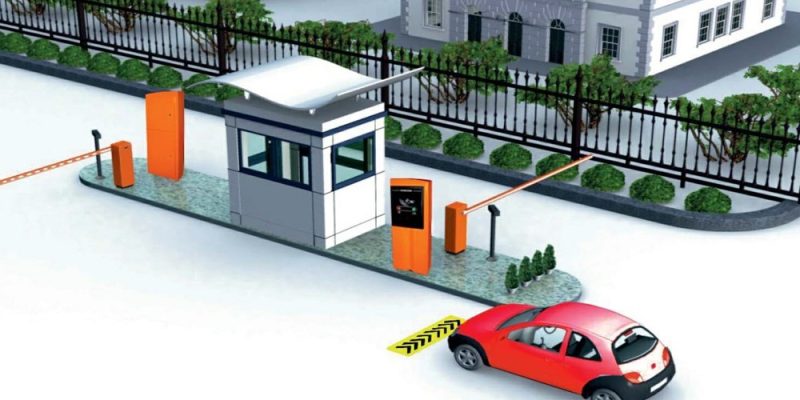
With long range RFID, you mainly get smooth traffic flow when you make the read zone tight and predictable. So it’s less about “how far does the signal reach?”, and more about: does the system pick up exactly the right car at the right moment, in the right lane? That also has to stay true when conditions change-like rain, a van next to the lane, or someone approaching at an angle. That’s why you should look at the full setup (tag, antenna, mounting, and filtering), not just the range. You can find more background at long range RFID.
Start with the read zone, not the maximum range
Long range sounds convenient, but predictability usually brings the most peace of mind. You want the barrier to respond at the same moment every time-and only for the intended lane-even when the situation isn’t ideal.
First choose one specific read moment and design your zone around that:
– **Before the stop line:** nice if you want vehicles to keep rolling. Then the read zone has to be tightly bounded, so the reader picks up the right car in the right lane in time.
– **At the stop line:** tighter on timing. Often easier to keep consistent, because the read happens at one clear point.
– **Only when stopped:** calmer and less chance of unintended reads, because the solution only responds when the vehicle is truly in the intended position.
Then align the setup with the lane itself: lane width, distance to a parallel lane, and peak-time speed. If you lock this in early, the behavior stays logical: the barrier reacts when you expect it to-not earlier one time and later the next.
Quick on-site check: where your read field gets messy
A site is “easy” when the environment doesn’t distort the read field unnecessarily. Anything that reflects or can disrupt the field makes the read zone less tight. Think shiny metal, fencing, a canopy, or vehicles that regularly stop next to the lane or creep along beside it.
Tag, antenna, and mounting: this is where you gain calm (or don’t)
For vehicle access, reliability often comes down to small, controllable details. When those are right, reads become more uniform and the system feels calmer.
Tag placement is one of them. Behind the windshield often works fine, and the solution usually reads most consistently when the tag:
– is straight (not stuck on at an angle)
– isn’t half hidden behind a dark band or edge
– sits in a spot where the windshield construction doesn’t differ from the rest of the glass
Unwanted reads: process and technology belong together
What often helps: filtering at reader level (only accepting reads that match the chosen moment and the chosen zone), a whitelist (only known tags can trigger an action), and logging so you can see which tag was read when. If you often have to investigate “what happened here?”, that’s usually a sign your read zone needs to be tighter or your filtering/logging needs to be sharper.
When do you choose long range RFID-and when do you choose something else?
Long range RFID is a good fit when the situation gives you room to serve one lane predictably: vehicle paths are fairly consistent, and antennas can be placed so the read zone stays with that one lane. Then access feels smooth: drive up, get read, barrier opens.
An alternative is often a better fit when lanes are close together, there’s lots of crossing traffic, or tag management becomes impractical day to day. Then you don’t just want to control access-you also want daily administration to stay workable: issuing, revoking, and handling exceptions. If you want to work with as few tags as possible, for example license plate recognition or a short-range credential at the post may fit better with how the site is actually used.







Comments